
.png)
BE THE FIRST TO GET PRODUCT UPDATES
Get notified about new features & special offers......


A look at how one of Norway's top clubs is building better strength sessions, sharper player decisions, and a coaching system that travels.
Bodø/Glimt's calendar doesn't look like most clubs'. The Norwegian league runs March to November because the colder months make the early calendar unplayable. A normal off-season sits between November and March.
Bodø/Glimt didn't get one.
A successful Champions League campaign carried fixtures deep into the winter. European nights against Galatasaray, Dortmund, and Manchester City. Play-off ties against Inter Milan in February. Then straight into pre-season for a domestic campaign starting in March. Two seasons running back-to-back, with double game weeks, multiple competitions, and a squad of twenty-five players carrying the load.
When player availability is the central concern, the gym becomes one of the most important rooms in the building.
Three S&C coaches. Two Output sensors. And a calendar that doesn't stop. This is how Jakob Kjos Volltad and his team are using the kit.
Planning gym sessions with heavy fixture congestion
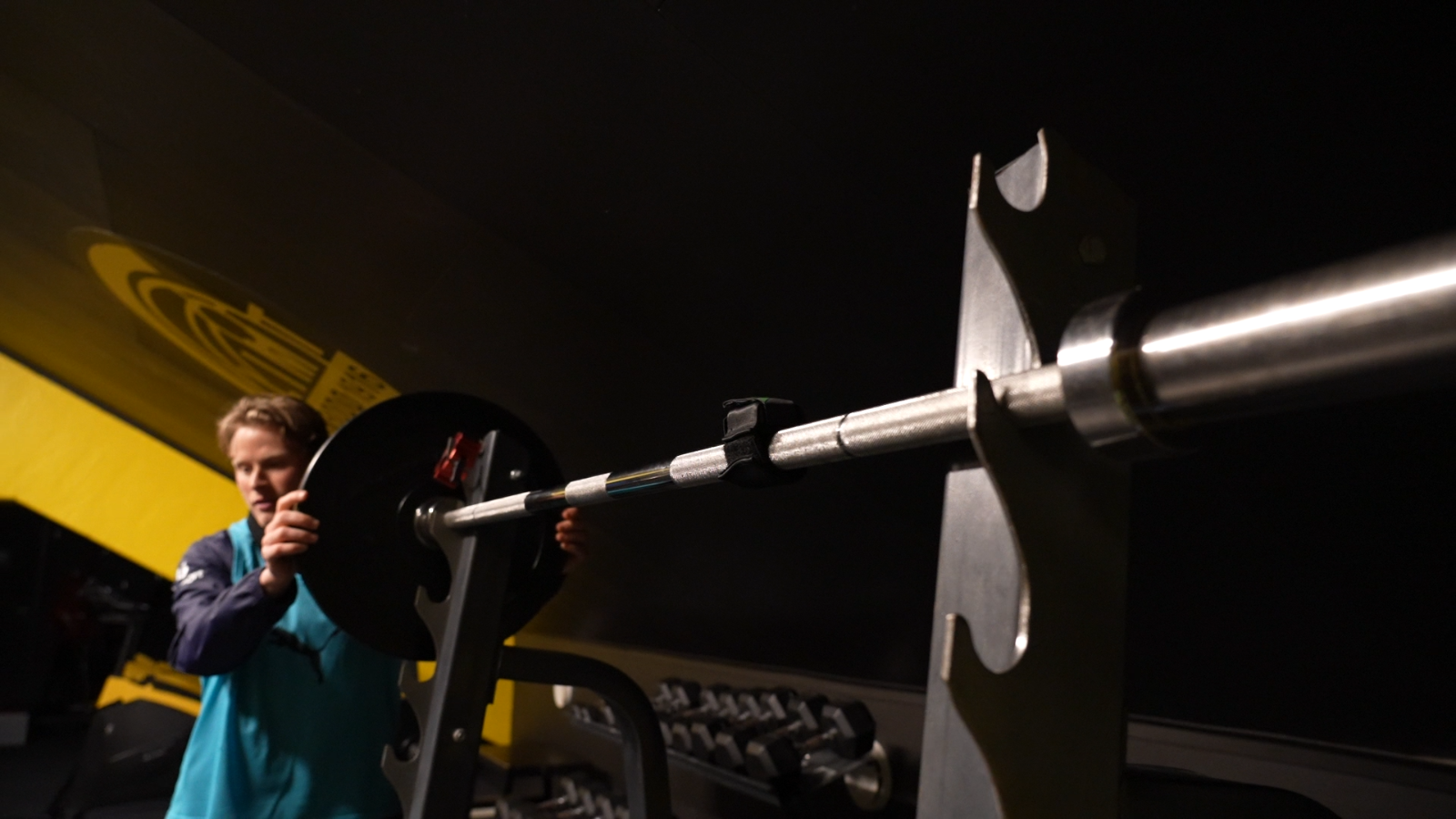
When the off-season disappears, the job of the gym changes. The work has to fit around the games, not the other way around. Strength sessions in between have to keep players ready without adding fatigue the schedule won't forgive.
Not high volume. Not chasing numbers. Just enough quality work to matter.
"We want reps that count. Not reps that don't really matter."
The question stops being how much can we do and starts being what's the smallest dose that still moves the needle.
Using velocity drop-off to manage in-season strength training
One or two lower-body sessions a week, straight after football training. Squats, deadlifts, RDLs, hip thrusts. The exercises aren't unusual. What separates Bodø/Glimt's approach is how the sets are governed.
The first rep within five percent of a player's best of the day sets the threshold. From there, a simple two-strike system tells the player when the set is over.
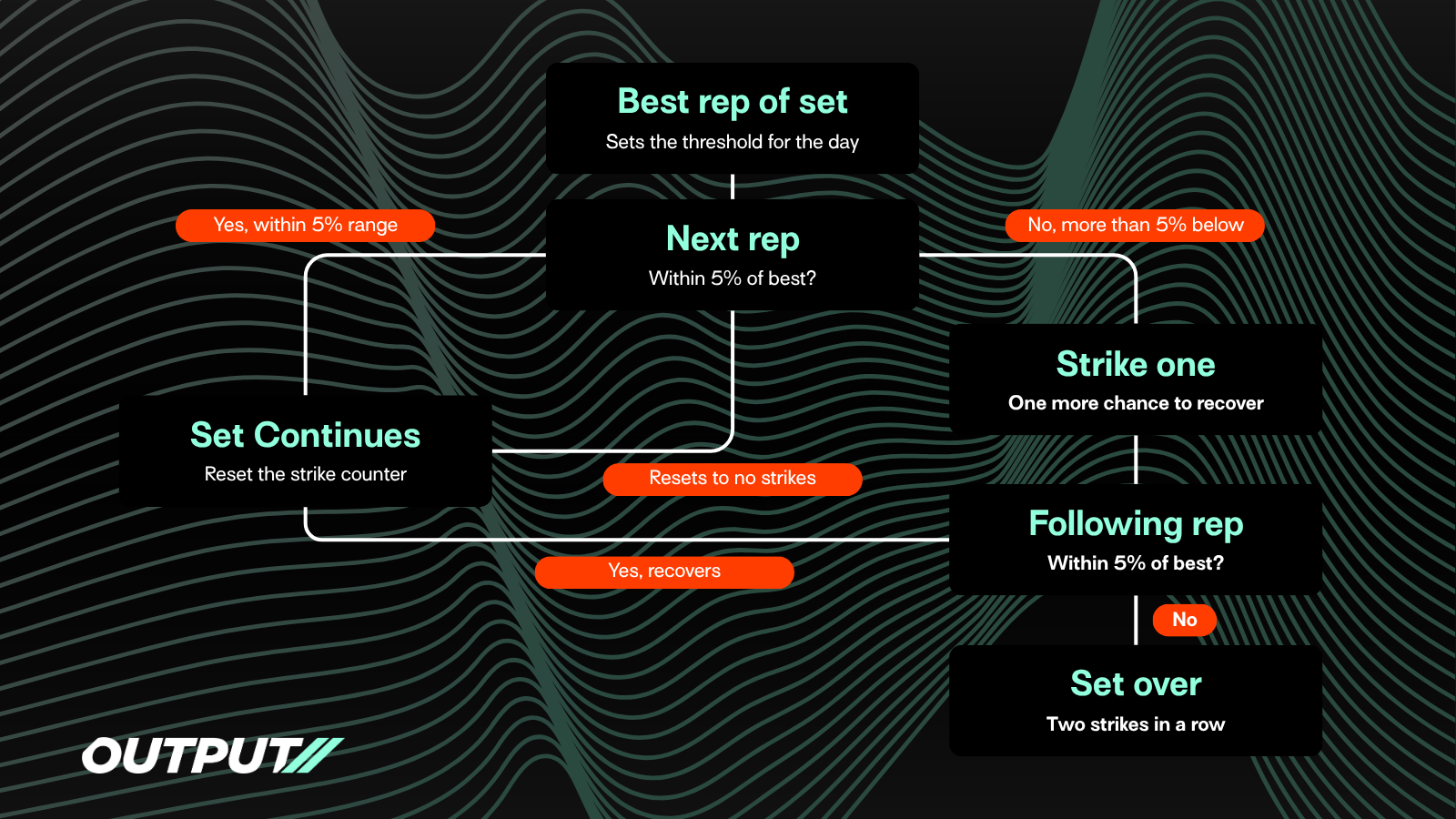
"You can have one, then you can have another one to adjust to get back on track. But if you get two strikes in a row, you're out."
When the system fatigues, more reps don't produce useful work. They produce slower reps. So the players stop. "Instead of the player just dragging themselves through the session."
The exercises in your gym probably aren't very different to the exercises in a Champions League gym. How you decide when the set is finished is where the gap usually sits.
How live feedback educates players and drives intent
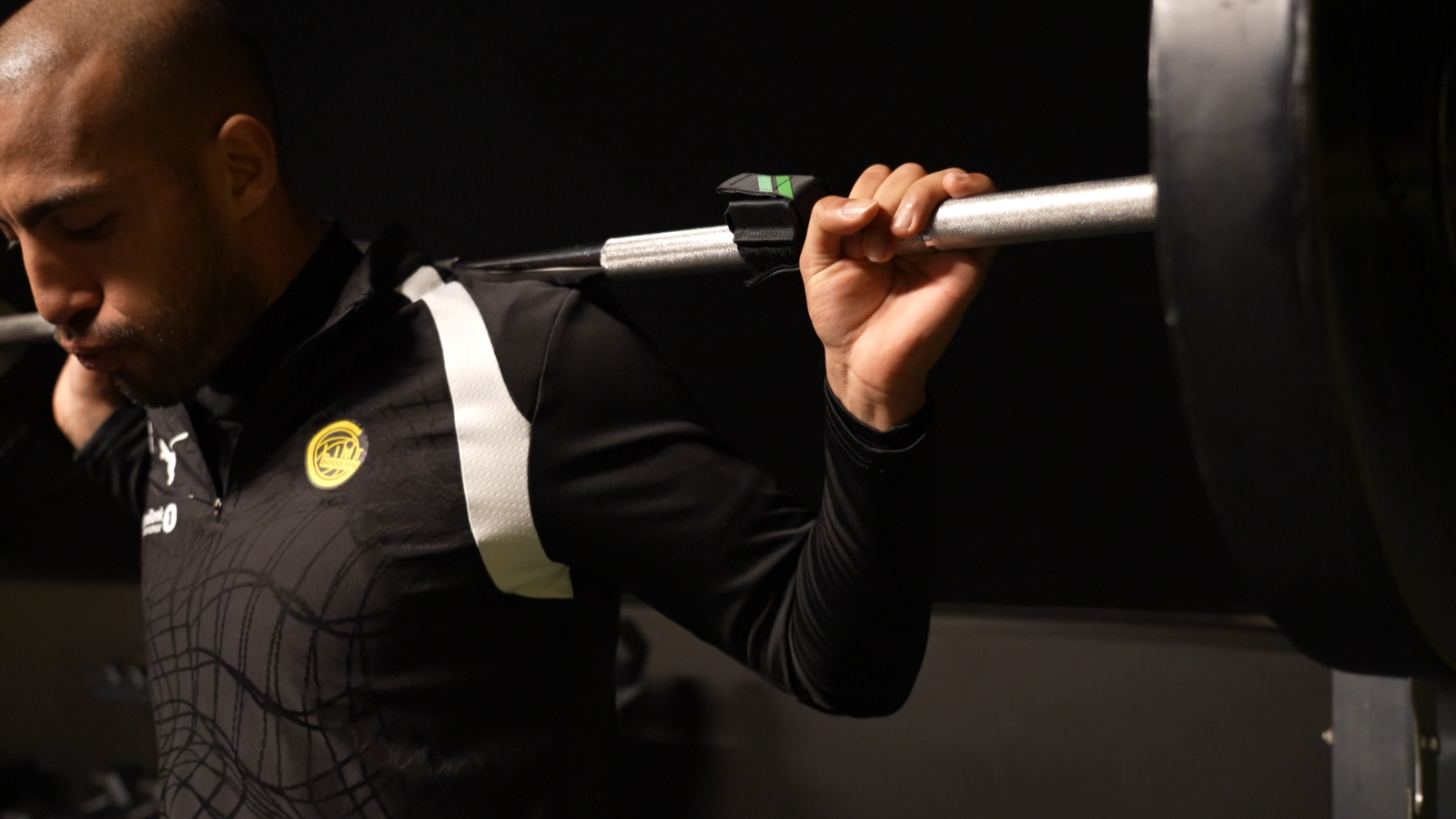
The word Jakob keeps returning to is intent. When bar speed lands on the screen the moment the rep finishes, the player's relationship with the lift changes. They can see the gap between what they thought was hard and what the data says is hard.
"You see that their intention is better. They lift with more power. You can see they take it more seriously."
Two younger players in the squad have been the standout examples this season. Both had been training comfortably below their capacity. The numbers gave Jakob a way in. The conversation gave them the confidence to push.
"The biggest tool we have is to educate the players, so they can take better decisions themselves."
That's the deeper play. The kit doesn't just measure the lift, it teaches the lifter. Most athletes are stronger than they think. They just need feedback they can't argue with, and someone in the room willing to use it as the start of a conversation rather than the end of one.
Using Output leaderboards to drive pre-training competition
Output isn't only used in the strength room. Before training, the staff run short competitive activations. Medicine ball throws ranked by power. Pogo jumps ranked by height. The leaderboard goes up on the iPad and the warm-up becomes something the squad actually buys into.
"We can create small competitions before a training session to get more out of the players."
It's a small detail, but the energy at the front of a session tends to carry through everything that follows. Engagement isn't a coaching cue when there's a number on the screen and a name above yours.
Programming for athletes who travel
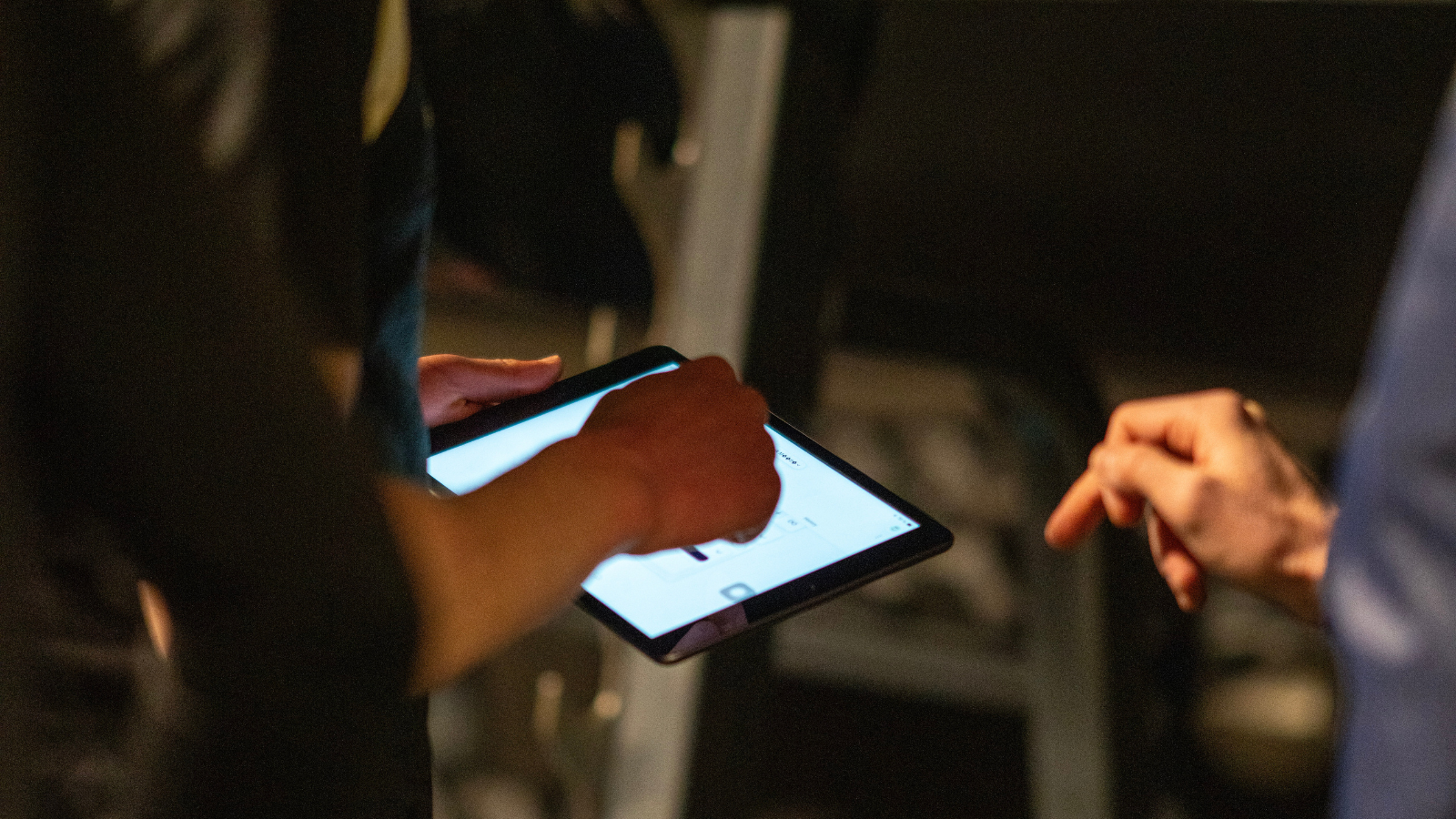
Bodø/Glimt are on the road often, and the sensors come with them. No setup time, no cabling. "It's just plug and play."
During holiday windows, sensors go home with selected players. They message Jakob when they head into the gym. He follows the session live, advises on load over WhatsApp, and calls it when the work is done.
"It's easier to interact with the players when you don't see them."
Coaching contact doesn't have to stop when the athlete leaves the building. Most clubs lose visibility the moment the squad scatters. Output keeps the line open and the data flowing both ways.
Using velocity data in return-to-play and rehabilitation
When a player is in the later stages of return to play, the same sensor that tracks their squat now tracks their progress back to baseline.
"You can see how far away he is from his typical performance, and you adjust from there."
It's not a diagnostic. It's a reference point. One that keeps the conversation between the physios and the S&C staff grounded in numbers both sides trust. Most return-to-play decisions get made on subjective check-ins. Even one objective benchmark, like pre-injury bar speed at a known load, gives everyone a shared language.
Why Bodø/Glimt chose Output over the alternatives
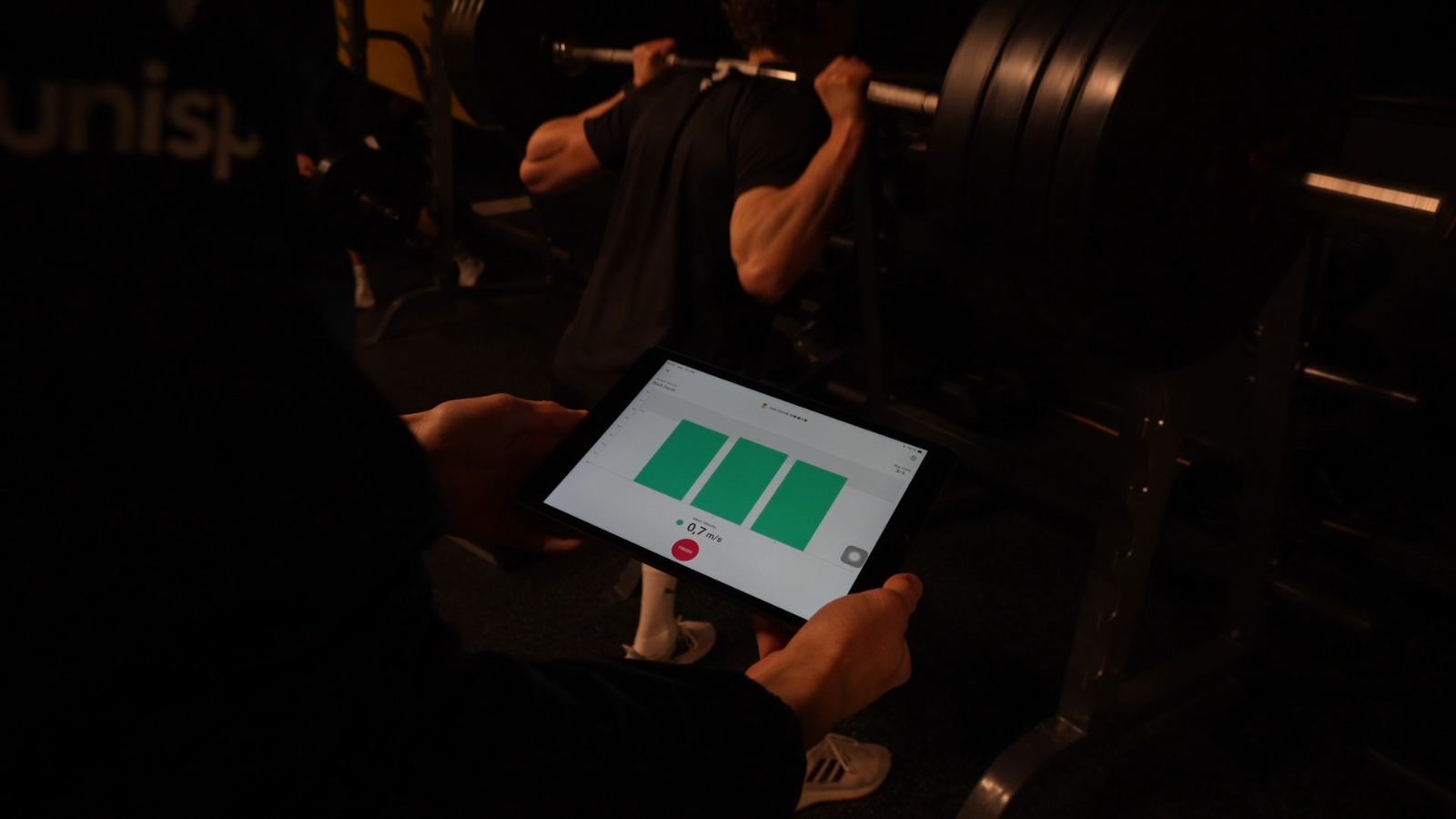
The club evaluated stationary velocity systems and other portable options through its in-house innovation hub. Three things won Output the work: easy to use, easy to travel with, live feedback the moment the rep ends.
"It's very snappy in a good way. You perform a rep and it's right there."
From delivery to first rep took under ten minutes. The point isn't the speed of the unboxing. It's that the kit got out of the way and let the staff do their job, which is the bar any tool in a performance setting has to clear.
What's next
The next step is sharper individualisation. Load-velocity profiling on each player, on each main lift. Beyond that, rolling the Capture app out to every player's phone so the squad can take more ownership of the work.
Same principle, scaled up. The players see the numbers. They understand the why. They make better decisions.
The kit matters. The thresholds matter. But the real win isn't the data. It's what the data lets the player understand about themselves.

.png)
Monthly performance insights, product updates, and sports science — straight to your inbox.
No spam, ever. Unsubscribe anytime.
No thanks, I'm not interested