.png)
.png)
BE THE FIRST TO GET PRODUCT UPDATES
Get notified about new features & special offers......


By Paudie Roche, founder of Coach Roche Performance Ltd, drawing on more than 20 years across Irish Rugby, Arsenal Academy, Arsenal Women, and the FIFA Women's National Team Development Program.
We have more access to data than at any point in the history of this profession. Force plates, VBT devices, GPS, motion capture, isometric rigs. The hardware keeps improving. The platforms keep stitching it together.
And yet, when I talk to other practitioners who have been in the field a while, the conversation is rarely about which new metric to add. It is about what to take away.
That has been the thread through most of my career. I have seen the gear evolve. I have seen the methods evolve. My principles have not.
Before any equipment comes out, I start with three foundations.
Know thyself. What do I bring to this environment. Where am I strong. Where am I weak. If I know my own gaps, I can fill them through staff hires, mentor calls, or honest delegation. If I do not, I will quietly drift toward the work I enjoy rather than the work the athletes actually need.
Know thy athlete. Profiling, training age, training history, likes and dislikes. I have made this mistake myself and I have watched others make it. Looking at a screen full of clean data and deciding I know what an athlete needs without ever sitting down with them. Early on I tried to push every Monday 20s player through heavy power cleans and snatches. I had not realized they had often played two games over the weekend, were broken up from contact, and were heading to a full day of university afterwards. The data did not lie. The data also did not tell the whole story.
The shorthand I keep coming back to: a bad program done well will beat a top program done badly. Buy-in is part of program design, not a bonus.
Know thy staff. Personality first. Potential second. I can teach skills. I cannot teach curiosity, humility, or the ability to take a player on a journey through a wet February. I will be honest, I am not the strongest practitioner with GPS exports or Excel modelling. I have worked alongside people who were far better at it than me, and every system I have built got better because of it. A team of complementary strengths is not a luxury. It is the design.
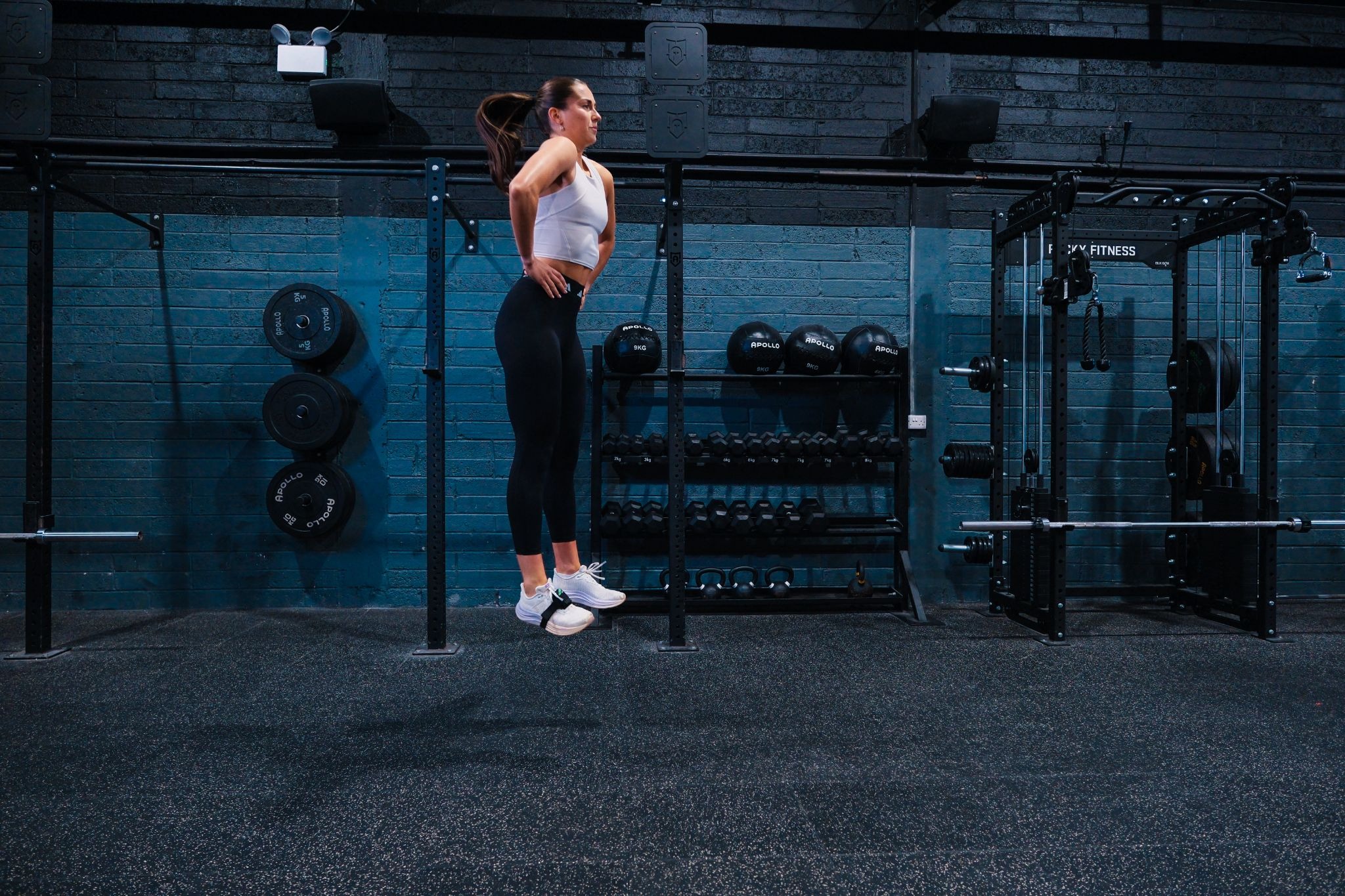
This is the part most people skip over, but it’s a very important part of the testing process.
If you are testing strength, power, and speed, the margin for meaningful change can be a single rep velocity drop, a centimetre on a jump, a tenth of a second on a flying ten. If the conditions move, the data moves with them, and the decisions you make on top of that data are decisions made on noise.
My non-negotiables for repeated testing are:
And a wider awareness of learning effects on new tests.
Here is the example I always come back to. A player joined one of my squads with a counter movement jump of 55 from another force plate. In our environment, repeated testing showed 48 to 49. That is not improvement or regression. That is two different measurement systems being treated as one. If you are building a profile across years, that is the gap that quietly corrupts everything downstream.
The protocols look basic. They are also where most testing programmes leak credibility.
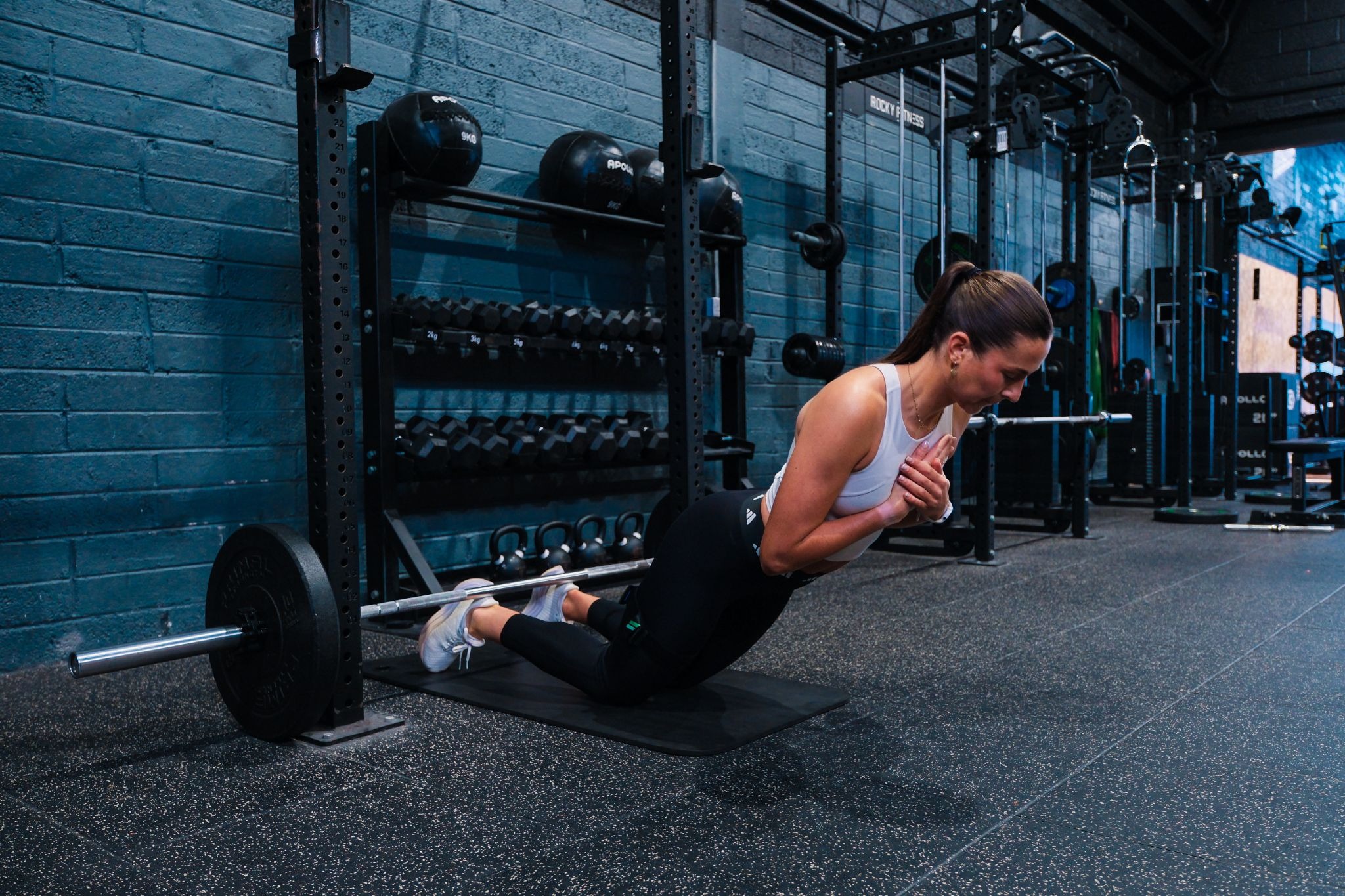
I have been doing force velocity profiling since 2010. The principles I was applying then are the same principles I apply now. The tools have changed enormously.
Back then it was a jump mat that broke regularly in the back of my car. One of the first generations of linear position transducer feeding into a handheld unit, with numbers that disappeared if you did not write them down quickly enough. A volunteer with a clipboard recording flight time and jump height. Excel spreadsheets manually populated for 25 players across multiple trials per test, then exported into Word for the coach to read. One mistyped cell, one tired data entry, and the profile was compromised.
The variables I tracked were essentially today's variables. Counter movement jump and squat jump to calculate elastic index, a quick read of how well an athlete uses elastic energy through the muscle and tendon. A force velocity curve built across loads from 25 to 125 percent of body weight on counter movement jumps and concentric squats. Strength testing using one to three rep max ranges, often delivered as in-session monitoring rather than a formal test day.
The point of the force velocity work was never to produce a chart. It was to find the athlete's gap. High elastic index with low strength tells me to shift training one way. Strong but slow tells me to shift it another. The curve was a decision tool.
Now I am answering the same questions with cleaner inputs. VBT devices like Output, force platforms, isometric rigs, and timing systems feed into central platforms automatically. Historical data sits next to today's data. Profiles are produced live. The athlete sees the number while they are still under the bar.
What has changed is not the principle. It is the time tax. I used to spend hours in Excel building profiles that a platform now produces in seconds. Those hours are back in my week for the work that actually develops athletes: coaching, planning, conversation. Coaches new to VBT often see it as a new metric to layer in. After fifteen years with it, I see it as a way to remove friction from work I was already doing.

For me, VBT is one tool inside a wider system, not the system itself. Within my programming, I use it for four specific jobs.
Assessing and profiling. Live force velocity profiling and a continuous read on an athlete's strength qualities without needing a formal test day.
Calculating loads. The percentage of one rep max model and velocity thresholds are not in conflict. Mean velocity is the more reliable signal for slower strength lifts like the back squat and deadlift, where speed is dictated by load. Peak velocity captures the moment of maximum explosiveness in dynamic lifts like cleans and jumps.
Driving intent. Especially across long seasons, where monotony is the quiet enemy of training quality. A velocity target on the screen does what a coaching cue cannot always do alone. It gives the athlete a number to chase.
Monitoring fatigue. If velocity drops 15 to 25 percent across an exercise an athlete usually performs cleanly, that is a flag. Once. It might be a one off. Track it across weeks and the picture sharpens. Is this athlete's average shifting. Is this drop predictable for the day after a match? The platform stores the trend. I read it.
The craft is in the interpretation. The device will not tell me whether a slow rep is fatigue or low intent. But with the velocity trend, the training week context, and the athlete in front of me, I can work it out. This is where a platform like Output earns its place for me. Customizable dashboards bring the data that matters into one view, so my interpretation is well rounded and informed rather than pulled together from multiple feeds living in silos. The data does not change. The clarity does.
The principles are familiar. The application is where many programmes go wrong.
Off season. Often the shortest phase, particularly in football where four to five weeks is now common. The temptation is to write a generic plan and let the athlete disappear. I would rather use the time to restore, heal, adapt. Physically and mentally. A full time athlete coming off a heavy season may need mental restoration as much as physical. General physical preparation in the original sense of the term, building tissue capacity and varying the angles muscles and tendons have been trained from. Body composition shifts where appropriate. Variety. Linear progression models, with VBT used as a check-in tool if the athlete asks for one.
Pre season. Eight to ten weeks in rugby. Often four to five weeks in football. The job is to build capacity, hypertrophy where needed, strength endurance, robustness, and the mental and physical capacity to handle the season's demands. Crucially, this is where I train intent. If athletes do not know what genuine power output feels like in pre season, they will not produce it in season under fatigue. Programming model: linear shifting to undulating as competitive fixtures begin to land.
In season. Maintain. Manage fatigue. Maximize availability. The model becomes concurrent and daily undulating. I make decisions on the day, not just on the plan. An athlete with a broken finger who cannot play for two weeks is now an opportunity to push a lower body block while the upper body recovers. The plan is a starting point. The athlete in front of me is the actual program.
To get strong, you have to lift heavy. To get powerful, you have to move objects, and yourself, quickly. The principles are not the variable. What has changed, and continues to change rapidly, is how cleanly I can monitor whether the principles are being applied, and how quickly I can react when they are not.
The platforms talk to each other now. The friction between testing, programming, and monitoring is closing. My job is less about manual data handling and more about what it should always have been about: knowing the athlete, designing the training, and reading what is in front of me.
Cut the noise. Keep the principles. Let the system do the rest.
Want the full picture? Paudie goes deeper on profiling, programming, and monitoring across the full hour. Watch the recording here

.png)
Monthly performance insights, product updates, and sports science — straight to your inbox.
No spam, ever. Unsubscribe anytime.
No thanks, I'm not interested